Spider and Spiderweb Layered Design: A 3D SVG Review
As a graphic designer who has spent years curating assets for client branding, seasonal campaigns, and print-on-demand launches, I approach every new download with skepticism. The market is flooded with generic clipart that looks fine in isolation but falls apart when placed into a real commercial layout. Recently, I was tasked with creating a visual identity for a boutique candle shop launching a limited-edition Halloween collection. The brief called for something atmospheric, slightly spooky, yet polished enough to sit on premium packaging without looking cheap. That is when I encountered the Spider and Spiderweb Layered Design.
First Impressions: Mood and Visual Weight
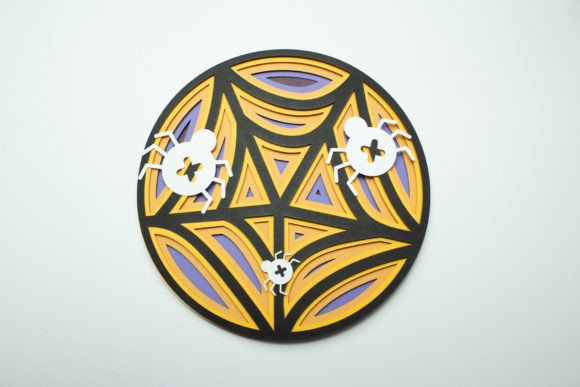
The moment I opened the preview files, the intent of this creative design became clear. This is not a flat, one-dimensional outline; it possesses a distinct depth that mimics a 3D SVG aesthetic. The interplay between the spider silhouette and the intricate webbing creates an immediate sense of texture. For a project requiring a specific mood—dark, mysterious, and autumnal—this asset delivers instantly. It avoids the cartoonish trap that plagues many seasonal graphics, offering instead a more sophisticated illustration style suitable for adult audiences.
In the context of my client's project, the layered nature of the design allows for significant flexibility. I could isolate the spider for a logo mark or use the full composition as a hero graphic for their landing page. The visual weight is balanced well, meaning it does not overwhelm the typography when paired with strong sans serif fonts, nor does it get lost against dark backgrounds. This makes it a viable candidate for both digital marketing visuals and physical product labels.
Performance in Real-World Design Scenarios
To truly judge a graphic design asset, you must stress-test it across various mediums. Here is how the Spider and Spiderweb Layered Design performed during my review process:
- Packaging and Label Design: When applied to a mockup of a glass candle jar, the layered elements added a tactile feel. The depth of the 3D effect suggested quality, elevating the perceived value of the handmade product.
- Social Media Graphics: For Instagram posts and Pinterest pins, the high-contrast nature of the design ensured visibility even at smaller screen sizes. It worked exceptionally well as a background element behind promotional text.
- Printable Products and Wall Art: The clean lines of the vector files made it ideal for large-format prints. The detail held up perfectly when scaled up for posters or framed art intended for home decor.
- Cricut Projects and Stickers: For crafters looking to create custom stickers or vinyl decals, the layered structure offers great opportunities for color separation. Each layer can be cut from different colored materials to create a dimensional sticker design.
- T-Shirt and Merchandise: As a sublimation design or heat transfer, the bold shapes ensure the image remains legible on fabric. However, the intricate web details require careful placement to avoid printing issues on textured fabrics.
Strategic Placement: Where It Shines
This asset excels when given room to breathe. In my layout experiments, the Spider and Spiderweb Layered Design worked best as a focal point in large layout areas or as a decorative accent in the corners of flyers and invitations. It serves as an excellent anchor for themed collections, helping to unify a brand's seasonal campaign. Whether used in editorial design for a lifestyle blog or as a central motif on a tote bag, the design commands attention without screaming for it.
For small business owners utilizing platforms like Etsy or Shopify, this type of digital product can significantly reduce production time. Instead of spending hours drawing a custom illustration, you can adapt this template to fit your brand colors and style guidelines. The versatility of the file formats included ensures that whether you are working in Adobe Illustrator, CorelDraw, or a raster-based tool like Photoshop, the workflow remains smooth.
Cautions: Where to Exercise Care
Despite its strengths, this design is not a universal solution. There are scenarios where using the Spider and Spiderweb Layered Design could detract from your overall message. If your project requires a minimalist aesthetic or a very clean visual hierarchy, the density of the web might introduce unnecessary clutter. Similarly, in professional corporate materials where a serious tone is paramount, this seasonal imagery would likely be inappropriate unless specifically tied to a holiday event.
I also recommend caution when using this asset in crowded layouts. If the surrounding text is dense or the background pattern is complex, the intricate details of the spider and web may become indistinguishable. Always test the contrast on both light and dark backgrounds before finalizing your design. Additionally, while the 3D effect is striking, it should not be overused in a way that distracts from the primary call-to-action in your marketing visuals.
Practical Designer Notes and Technical Checks
Before integrating any commercial design asset into a client project, I follow a strict checklist. Here is what I found when reviewing this specific bundle:
- File Format Verification: The package includes SVG, PDF, EPS, PNG, and DXF files. This variety is crucial. The SVG and EPS files allow for infinite scalability, which is essential for everything from business cards to billboards. The PNG files offer transparency, making them perfect for quick edits in Canva templates or web design.
- Vector Editability: Opening the SVG file revealed that the layers were properly grouped. This means you can easily recolor the spider or adjust the opacity of the web without losing resolution. For a designer, this editability is non-negotiable.
- Typography Pairing: I tested the design against various font styles. It paired beautifully with elegant script fonts for a gothic romance vibe and bold display fonts for a modern horror look. However, it clashed slightly with thin, delicate serif fonts, so font choice matters.
- Licensing Confirmation: Before using this for a client, always confirm the commercial license. Ensure the terms allow for use in products you intend to sell, such as t-shirts or mugs. Most reputable creative marketplace sellers include this, but reading the documentation is vital.
- Print Quality Test: I printed a sample on matte and glossy paper. The black ink held up well, and the white space within the web remained crisp. This confirms its viability for high-quality printable designs.
Impact on Brand Identity and Audience Engagement
Using a high-quality asset like the Spider and Spiderweb Layered Design directly influences how your audience perceives your brand. It signals attention to detail and a commitment to visual excellence. For a handmade business or a local event organizer, these subtle cues build trust. When customers see a cohesive, professionally designed label or flyer, they assume the product inside is equally high quality.
Furthermore, the emotional appeal of this design cannot be overstated. During the Halloween season, consumers are actively looking for thematic content that resonates with the holiday spirit. By incorporating this illustration into your marketing strategy, you tap into that seasonal enthusiasm, driving higher engagement rates on social media and increasing conversion rates on product pages.
Final Verdict for the Professional Designer
In conclusion, the Spider and Spiderweb Layered Design is a robust addition to any designer's toolkit. It strikes a rare balance between artistic flair and practical utility. While it requires thoughtful application to maintain visual hierarchy, its potential to elevate packaging, merchandise, and digital campaigns is undeniable. For designers preparing for the upcoming Halloween rush or seeking a versatile SVG design for year-round spooky aesthetics, this asset proves its worth. With the included instruction PDF and diverse file formats, it removes technical barriers, allowing you to focus on what matters most: creating compelling visuals that drive results for your clients.