Skull Layered Design: 3D SVG for Halloween
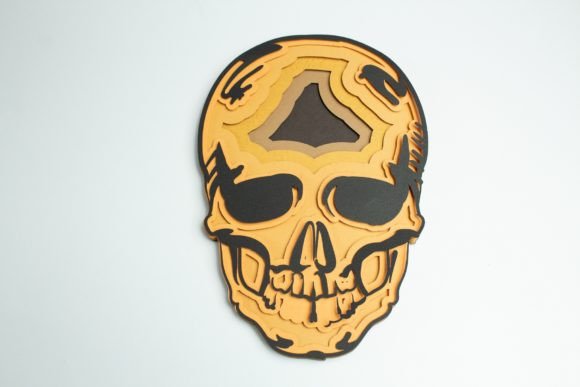
As a graphic designer who has spent years navigating the delicate balance between creative flair and client expectations, I approach every new asset with a critical eye. When I first encountered the Skull Layered Design, my initial reaction was one of cautious optimism. In the world of seasonal marketing, specifically for Halloween, finding a piece that transcends the typical cartoonish or overly gory aesthetic is rare. This particular design immediately stood out due to its depth. It is not merely a flat icon; it possesses a tangible dimensionality that suggests a high-quality 3D SVG structure. For a professional looking to elevate a brand's seasonal campaign, this asset offers a compelling starting point.
The Visual Mood and First Impressions
The moment you open the file, the visual hierarchy is clear. The skull is constructed with distinct layers that create shadow and light without relying on heavy gradients. This makes it incredibly versatile for various applications. The mood it evokes is edgy yet polished, fitting perfectly within the realm of modern gothic aesthetics or high-end streetwear branding. Unlike generic clipart found in free libraries, this graphic design asset feels intentional. It carries a weight that commands attention, making it an ideal candidate for hero graphics or central focal points in a layout. Whether you are designing for a boutique clothing line or a local event, the style bridges the gap between playful spookiness and sophisticated darkness.
Real-World Application in Client Projects
Imagine a recent project where a small business owner approached me to rebrand their handmade candle line for the autumn season. They needed packaging that felt premium but still captured the essence of the holiday. Standard Halloween imagery often clashes with luxury branding, but the Skull Layered Design offered a solution. By utilizing the layered nature of the file, I was able to isolate specific elements to create a subtle watermark effect on the label while using the full composition for the box art. This flexibility is crucial for packaging design. It allowed us to maintain brand consistency across different touchpoints, from the physical product to the digital unboxing experience.
Beyond packaging, this asset performs exceptionally well in merchandise and t-shirt design. The clean lines of the vector format ensure that when scaled up for large format printing, such as banners or posters, the edges remain crisp. For print-on-demand sellers, this is a game-changer. You can easily manipulate the layers to fit different color palettes required by your target demographic. If you are creating social media graphics for an Instagram launch, the depth of the design helps the post stand out in a crowded feed. It works equally well as a standalone illustration or as part of a larger creative design composition involving typography and other decorative accents.
Strategic Placement and Layout Considerations
While the versatility of the Skull Layered Design is impressive, knowing where to place it is just as important as the design itself. This asset shines in large layout areas where it can serve as a dominant visual element. It is perfect for product mockups intended for e-commerce sites like Etsy or Shopify. When used as a hero image on a landing page, it instantly communicates the theme and sets the tone for the user experience. It also functions beautifully in themed collections, acting as a unifying motif across a series of products or promotional materials.
However, there are scenarios where caution is advised. Due to the intricate layering, using this design in very small sizes can lead to a loss of detail. On a business card or a tiny favicon, the complexity might become muddy. Similarly, placing it over a busy, complex background can destroy the visual hierarchy. The design requires breathing room to let the shadows and highlights do their work. It is generally not suitable for minimalist corporate branding or projects that demand extreme simplicity. If your client's brand identity relies on stark, clean lines and ample negative space, this detailed illustration might feel too heavy unless carefully integrated.
Technical Evaluation and Designer Notes
From a technical standpoint, the file package is robust. You will receive this beautiful Skull layered design template in multiple formats including SVG, PDF, EPS, PNG, and DXF. This variety ensures compatibility with almost any workflow, whether you are using Adobe Illustrator, CorelDraw, or crafting software like Cricut Design Space. The inclusion of a PDF with detailed instructions is a significant plus, guiding users through the process of assembling the layers correctly.
Before committing to a commercial project, I always perform a rigorous check. First, test the design in black and white to ensure the contrast holds up without color. Check how it looks on both light and dark backgrounds to verify readability. Preview the SVG design at various scales to confirm that no artifacts appear. If you plan to use the PNG version for web, inspect the transparency to ensure there are no jagged edges. For print applications, review the vector paths to guarantee smooth curves.
Typography pairing is another critical factor. This modern design pairs surprisingly well with bold sans-serif fonts for a contemporary look, or elegant script fonts for a more vintage, mysterious vibe. Avoid overly decorative display fonts that compete with the skull's details. Finally, always confirm the commercial license before using it for a client. Ensuring you have the rights to use this digital product for resale or client work protects both you and your business. With these checks in place, the Skull Layered Design proves to be a reliable, high-quality tool in any professional designer's arsenal.