Nashville Skyline 3D Shadow Box: A 3D SVG Review
As a digital publisher who has spent years curating visual identities for content websites, I approach every new graphic design asset with a critical eye. The goal is never just to find something that looks "nice," but to discover tools that elevate editorial quality, build reader trust, and drive engagement. Recently, I evaluated the Nashville Skyline 3D Shadow Box, a layered, square paper cutting template designed for modern creators. While originally marketed as a craft resource, its potential in the digital publishing space is surprisingly robust. This review explores how this specific Countries category asset can transform your blog graphics, social media strategy, and overall brand identity.
The First Impression: Editorial Mood and Visual Weight
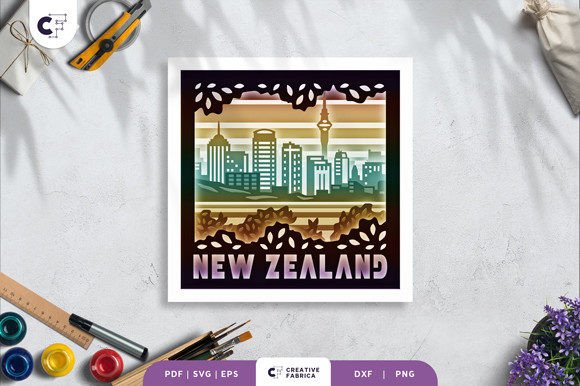
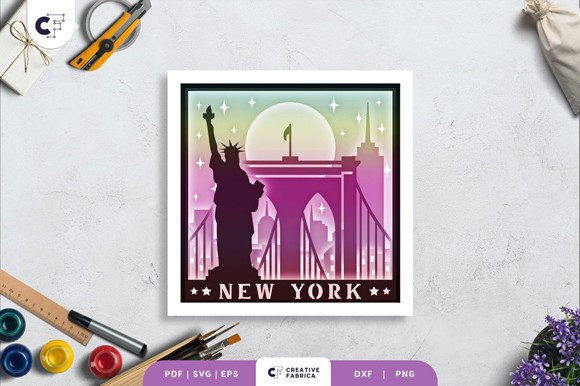
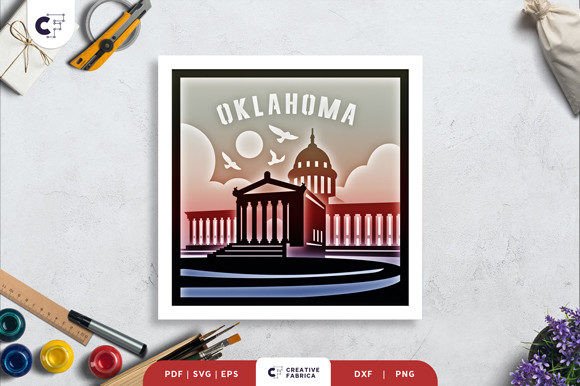
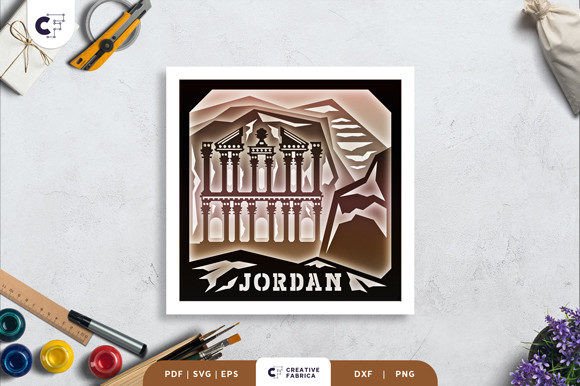
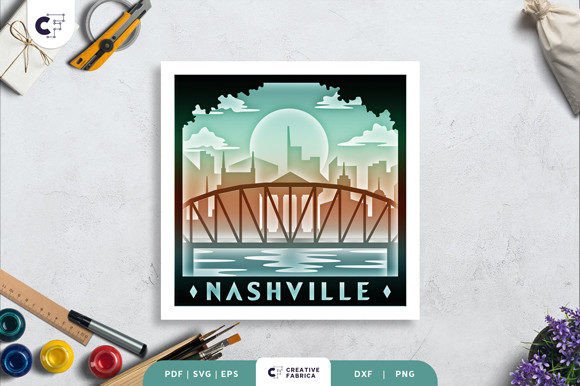
Upon opening the file, the immediate impression of the Nashville Skyline 3D Shadow Box is one of structured depth. Unlike flat vector illustrations that often feel generic, this design utilizes layering to create a tangible sense of dimension. For a content creator focusing on travel, lifestyle, or regional guides, this depth translates into a premium editorial mood. It feels less like a clip-art afterthought and more like a deliberate piece of web design intended to anchor a page.
The aesthetic strikes a balance between artistic and modern. It is not overly playful, nor is it strictly corporate. Instead, it offers a clean, bold look that suggests professionalism while retaining a creative flair. When used in a digital context, this asset signals to the reader that the content behind it is curated and high-quality. In the crowded landscape of affiliate marketing and content creation, that split-second perception of quality is often what determines whether a user clicks through or scrolls past.
Integrating the Asset into Real Publishing Workflows
The versatility of this 3D SVG format makes it an excellent candidate for various stages of the publishing workflow. Imagine you are preparing a featured image for a comprehensive guide on Tennessee tourism. A standard photo might be too busy, but a simple icon lacks impact. The Nashville Skyline 3D Shadow Box serves as the perfect middle ground. You can use it as the central element of a Pinterest pin, overlaying it with a semi-transparent text box to announce a "Top 10 Nashville Attractions" listicle. The inherent depth of the shadow box effect ensures that even when scaled down for social feeds, the image retains its structural integrity.
Beyond social media, this asset excels in editorial design within the actual blog post. Consider using it as a website header or a section break in a long-form article. Because it is a square composition, it fits seamlessly into grid layouts without requiring awkward cropping. For newsletter creators, this design works beautifully as a header graphic that immediately establishes the theme of the issue. If you are building a digital guide or a downloadable PDF as a lead magnet, incorporating this skyline adds a tactile, magazine-like feel that elevates the perceived value of your free resource.
Enhancing Content Performance Through Visual Hierarchy
One of the primary challenges in content marketing is establishing a clear visual hierarchy. Readers need to know where to look first. The Nashville Skyline 3D Shadow Box naturally draws the eye due to its layered construction. When placed against a solid background color, it creates a focal point that commands attention. This is crucial for improving click-through potential on internal links or call-to-action buttons.
Furthermore, consistency is the backbone of strong brand identity. By utilizing assets from the same collection—perhaps other cities in the Countries category—you can create a cohesive visual language across your entire site. Whether you are designing social media graphics for Instagram, creating thumbnails for YouTube videos, or updating your media kit for sponsors, having a consistent style of 3D cityscapes reinforces your brand as a polished, professional entity. This consistency builds reader trust, making your audience more likely to return and engage with future content.
Strategic Placement: Where This Design Shines
To maximize the impact of the Nashville Skyline 3D Shadow Box, strategic placement is key. This asset performs exceptionally well in hero images where there is ample screen real estate to appreciate the detail. It also works admirably as a category thumbnail on a navigation menu, helping users quickly identify travel-related sections of your site. For those managing an online store or selling digital products, this graphic can serve as an attractive icon for product listings, adding a touch of sophistication to your catalog.
In the realm of affiliate marketing, visual appeal directly correlates with conversion rates. Using this skyline in banners promoting hotel bookings or tour packages creates a dreamy, aspirational vibe that encourages users to explore the offer. It transforms a standard promotional banner into a piece of art that people actually want to stop and look at. Additionally, for small business branding, such as a local event planner or a travel agency, this asset provides a ready-made solution for creating professional-looking marketing materials without hiring a full-time designer.
When to Exercise Caution: Limitations and Best Practices
While the Nashville Skyline 3D Shadow Box is a powerful tool, it is not a universal fix for every design challenge. There are scenarios where it should be used carefully. For instance, if you are working with very small mobile thumbnails, the intricate layers might blur or become indistinguishable. Always test how the asset renders on different screen sizes before committing it to a live layout.
Avoid using this graphic in text-heavy blog images where the complexity of the skyline competes with the headline for attention. Similarly, low-contrast backgrounds can cause the details to get lost, diminishing the 3D effect. This design may also feel out of place in serious professional niches, such as legal or medical content, where a minimal, stark visual system is preferred. In those contexts, the decorative nature of the shadow box could undermine the authority of the message.
Practical Publisher Notes for Implementation
Before integrating this graphic design asset into your monetized website, there are several practical steps to take. First, always preview the design inside your actual blog layout. See how it interacts with your chosen typography. Try placing it beside a serif font for a classic editorial look, or pair it with a sans-serif font for a modern, tech-forward vibe. Experiment with script or handwritten fonts to see if they complement the artistic nature of the skyline.
Performance is another critical factor. Since this is an SVG file, it is inherently scalable and lightweight, which is excellent for web performance. However, if you export it as a raster image (PNG or JPG) for use in Canva templates or email headers, ensure you compress the file properly to avoid slowing down your page load times. Finally, always confirm the commercial licensing terms. If you plan to use this design in paid content products, affiliate pages, or client work, you must have the appropriate rights to do so. Understanding the license protects your business and ensures your creative endeavors remain compliant.
Final Thoughts on Creative Potential
The Nashville Skyline 3D Shadow Box represents more than just a digital download; it is a versatile component of a broader creative design strategy. For bloggers, publishers, and entrepreneurs looking to refine their visual presentation, assets like this bridge the gap between amateur aesthetics and professional polish. By thoughtfully applying this modern design to your headers, pins, and guides, you can create a more engaging, trustworthy, and visually compelling online presence. Whether you are launching a new travel blog or refreshing an existing portfolio, this commercial design asset offers a unique opportunity to make your content stand out in a saturated marketplace.