Giraffe Head 3D Shadow Box Paper Cut Review
As a designer who has spent years navigating the intersection of digital art and physical thread, I approach every new asset with a critical eye. The market is flooded with generic patterns, but finding a piece that truly elevates a handmade product requires looking beyond the preview image. Today, I am evaluating the Giraffe Head 3D Shadow Box Paper Cut. While this specific file arrives as an SVG intended for paper crafting, its structural integrity and layered composition make it a fascinating candidate for adaptation into machine embroidery design workflows. For the Etsy seller or boutique owner looking to create unique custom apparel, understanding how this Animals themed template translates from a flat vector to a stitched reality is crucial.
First Impressions: Layering and Visual Depth
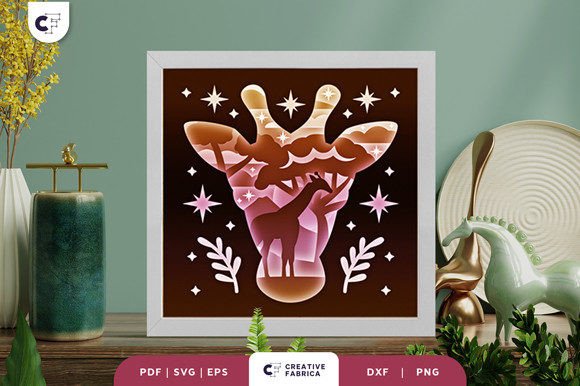
The immediate appeal of the Giraffe Head 3D Shadow Box Paper Cut lies in its architectural approach to a familiar subject. Unlike standard silhouette designs that rely on a single fill stitch area, this template is built on layers. In the context of embroidery, this suggests a rich opportunity for creating depth through applique techniques or multi-layered satin stitching. The mood is playful yet sophisticated, capturing the gentle curiosity of the giraffe without feeling childish. For a nursery decor collection or a personalized gift line, this visual personality stands out against the typical floral or script-heavy designs found in most craft shops.
When I visualize this as an embroidery file, the distinct separation of the neck, head, and ossicones (the horn-like protuberances) indicates that the design would benefit significantly from varying stitch density. The clean lines of the 3D SVG format mean that digitizing this for a hoop will likely result in crisp edges, provided the digitizer respects the original layering logic. It feels like a design meant to be the focal point of a project, commanding attention on a tote bag or a sweatshirt back panel.
Real-World Application: From Digital File to Finished Product
Let’s talk about a real scenario. Imagine you are preparing a limited run of organic cotton tote bags for a local craft fair. You want something that screams "handmade" but looks professionally finished. If you were to adapt the Giraffe Head 3D Shadow Box Paper Cut for these bags, the strategy would shift from simple filling to textured building. Using a combination of fill stitch for the base colors and satin stitch for the layered outlines could mimic the shadow box effect originally intended for paper.
This design is particularly well-suited for custom apparel where fabric texture plays a role. On a heavy canvas tote or a fleece sweatshirt, the thickness of the threads can enhance the perceived depth of the giraffe's features. For baby items, such as a onesie or a bib, the soft curves of the giraffe head work beautifully, though one must be mindful of the hoop size to ensure the design doesn't overwhelm the small garment. As an Etsy seller, offering a personalized gift with this motif allows customers to feel they are buying a piece of art rather than just a printed shirt. The intricate nature of the layers invites closer inspection, which increases customer engagement and perceived value.
Navigating Fabric Challenges and Stitch Clarity
However, not every application is straightforward. The Giraffe Head 3D Shadow Box Paper Cut contains fine details that demand respect for the medium. If you attempt to stitch this on thin, stretchy fabrics like jersey knit without proper preparation, the layers may pucker or distort. The sharp angles of the snout and ears require precise running stitch placement to maintain definition. On dark fabric, the contrast becomes even more critical; using light thread on a black background might obscure the subtle shading implied by the shadow box concept unless you use a high-quality underlay.
Curved surfaces present another hurdle. Embroidering this design on a cap or a curved pillow cover requires careful hooping and potentially splitting the design into sections to avoid distortion. The stitch density in the detailed corners needs to be balanced; too dense, and the fabric stiffens, ruining the drape of a kitchen towel or apron; too sparse, and the layers lose their 3D illusion. Furthermore, if this is intended for a commercial embroidery project involving frequent washing, such as on a uniform or a reusable shopping bag, the durability of the thread anchoring those delicate points must be tested. A loose thread on a tiny ear detail can ruin the professional look of a finished product.
Strategic Designer Notes for Success
Before committing to a full production run, there are practical steps every maker should take. First, always test the design on scrap fabric that matches your final material. This allows you to check how the thread colors interact and whether the stabilizer choice supports the weight of the stitches. Since the original file is an SVG, you will need to convert it into a compatible digital embroidery file format for your machine. During this conversion, review the stitch direction and density manually. Do not rely solely on auto-digitizing software, especially for a design as layered as the Giraffe Head 3D Shadow Box Paper Cut.
Consider creating a printable mockup in black and white to see how the contrast holds up without color distraction. This helps in identifying areas where the design might become muddy when stitched. Also, compare the design against both light and dark fabric backgrounds in your mind before purchasing materials. Finally, verify the licensing terms. Just because you have the SVG does not automatically grant you the right to sell the digitized embroidery version or the finished goods commercially. Ensure you have the correct permissions for commercial embroidery use to protect your craft business.
Final Verdict on Design Value
The Giraffe Head 3D Shadow Box Paper Cut offers a unique aesthetic that, when translated thoughtfully into thread, can elevate a brand's portfolio. It moves beyond the generic applique design tropes and offers a chance to showcase technical skill in layering and texture. For the creative entrepreneur, it represents a versatile asset that fits seamlessly into holiday collections, nursery themes, or boutique merchandise. However, its success relies entirely on the designer's ability to manage the transition from vector to stitch. By respecting the fabric, choosing the right stabilizer, and testing thoroughly, you can turn this design assets into a standout small shop product that builds trust and excitement among your buyers.