Easter Bunny in the Fairy Garden 3D SVG Review
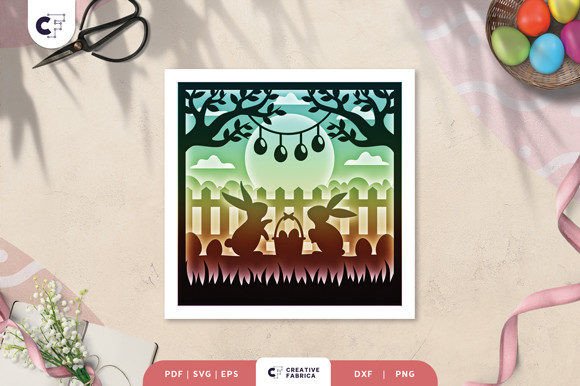
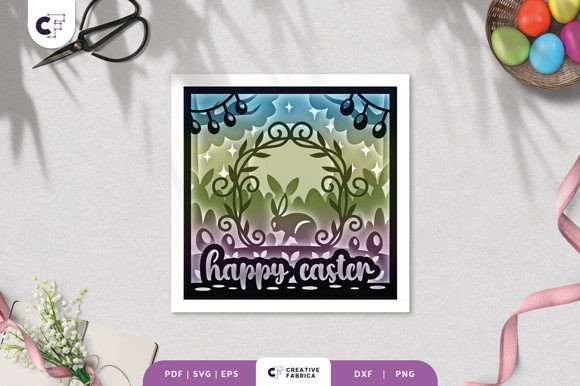
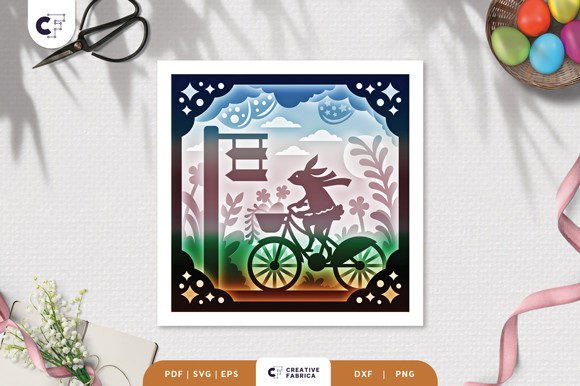
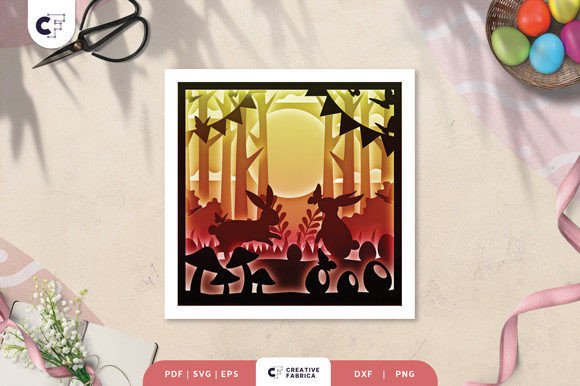
As a designer who has spent years navigating the fine line between digital files and physical thread, I approach every new asset with a critical eye. When I first encountered the Easter Bunny in the Fairy Garden 3D SVG, my initial reaction was one of cautious optimism. The description highlights it as a layered, square paper cutting template intended for a 3D shadow box effect. While this specific file is marketed for paper crafting, its structural logic offers fascinating insights for us working in machine embroidery design. The concept of layering to create depth is exactly what separates a flat, generic holiday motif from a premium, high-value finished product.
The Visual Mood and Design Architecture
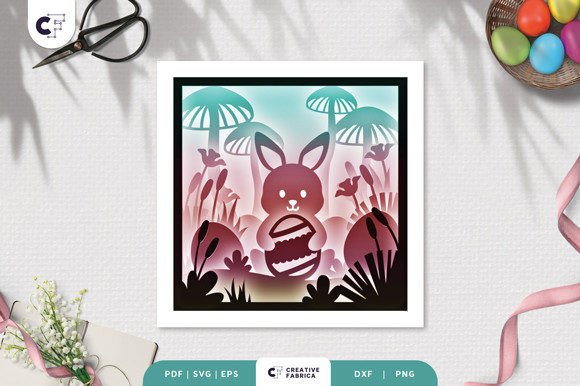
The aesthetic of the Easter Bunny in the Fairy Garden 3D SVG leans heavily into whimsy and enchantment. It is not just a bunny; it is a scene. The inclusion of a "Fairy Garden" setting suggests intricate details—likely flora, perhaps tiny mushrooms or flowers, and the soft curves of the bunny itself. For an embroidery project, this level of detail is a double-edged sword. On one hand, it creates a rich visual personality that screams "handmade luxury." On the other, it demands precision in digitizing if you plan to translate these vector layers into a stitchable format.
When evaluating this design for a real-world application, such as a custom embroidered tote bag or a boutique pillow cover, the mood it sets is immediate. It feels nostalgic yet fresh. The square composition mentioned in the product description is particularly useful for items like aprons, tea towels, or framed wall hangings where a balanced, contained image works best. However, the "3D" aspect implies distinct layers. In embroidery, we achieve this through raised stitches, foam underlays, or by stitching separate elements on different planes. If you are planning to use this concept for a sweatshirt embroidery project, you must consider how those layers will sit against the fabric texture without creating bulk that irritates the wearer.
Translating Layers to Stitch: A Practical Scenario
Let's imagine a scenario where I am preparing a limited-run collection for a small shop product line. I want to create a personalized gift set featuring a baby blanket and a matching onesie. The Easter Bunny in the Fairy Garden 3D SVG provides the perfect narrative. Instead of simply flattening the design, I would treat each layer of the SVG as a separate element in my digitizing software. The background garden elements could be rendered in a dense fill stitch to anchor the design, while the bunny itself might utilize satin stitch for definition and perhaps a touch of applique for a truly three-dimensional feel.
This approach elevates the perceived value of the handmade product. Customers looking for holiday embroidery often seek something that stands out in their feed or at a craft fair. A flat print looks mass-produced; a layered, textured design signals care and craftsmanship. However, this requires careful planning regarding hoop size and stabilizer choice. If the design spans multiple layers, the cumulative thickness can be significant. Using a heavy-duty stabilizer becomes non-negotiable to prevent puckering, especially on stretchy fabrics common in baby clothes.
Navigating Fabric Challenges and Technical Limits
While the potential is high, there are areas where the Easter Bunny in the Fairy Garden 3D SVG requires careful handling. First, consider the fabric texture. On a thick, nubby wool sweater, the delicate details of the fairy garden might get lost. The stitch density needs to be adjusted so that the threads don't sink into the fabric weave. Conversely, on thin cotton or linen, the weight of multiple layers could cause distortion. I always advise testing the design on scrap fabric first. This simple step reveals whether the running stitch outlines hold up or if the fill stitch pulls too tightly.
Another critical factor is the placement on curved surfaces. If you attempt to adapt this square, layered design for a cap or a curved patch, the geometry may struggle. The sharp corners of the square layout described in the template might not follow the curve of a hat brim naturally. In such cases, it is better to isolate the central bunny figure rather than forcing the entire garden scene onto a curved surface. Additionally, dark fabrics present a challenge. The light colors typically associated with Easter bunnies need strong contrast. Without proper backing or thread selection, the design might look muddy rather than magical.
Commercial Viability and Brand Consistency
For Etsy sellers and creative entrepreneurs, consistency is key to building brand trust. The Easter Bunny in the Fairy Garden 3D SVG offers a cohesive theme that can extend across various product types. Imagine using the same visual language on a kitchen towel, a tote bag design, and a decorative pillow cover. This creates a recognizable style that customers associate with your shop. However, before launching any commercial embroidery project based on this asset, you must confirm the licensing terms. Just because a file is available for personal paper crafting does not automatically grant rights for selling finished embroidered goods or digital embroidery files derived from it.
The visual appeal of the finished product directly impacts buyer engagement. A well-executed version of this design, with clear stitching and vibrant thread colors, acts as a powerful marketing tool. It shows potential clients that you understand both aesthetics and technical execution. On the flip side, a poorly adapted design with tangled threads or uneven layers can damage your reputation. Always review your stitch density and ensure that small details, like tiny leaves or facial features, are large enough to be stitched cleanly without breaking needles or causing thread breaks.
Final Designer Notes for Implementation
- Test Run: Never skip the test on scrap fabric. Check how the layers interact with your specific thread and stabilizer combination.
- Color Strategy: Plan your thread colors carefully. High contrast is essential for the "3D" illusion to work effectively on fabric.
- Hoop Management: Ensure your hoop size accommodates the full square layout without excessive tension on the edges.
- Licensing Check: Verify if the source allows for commercial use in finished products or if it is restricted to personal use only.
- Mockups: Create printable mockups in black and white to visualize the stitch flow before committing to expensive materials.
In conclusion, the Easter Bunny in the Fairy Garden 3D SVG is a compelling asset for designers willing to put in the extra effort to translate its layered structure into thread. It moves beyond a simple clip-art application and invites a more sophisticated approach to holiday embroidery. Whether you are making a single personalized gift or stocking a boutique with seasonal merchandise, the key lies in respecting the design's complexity and adapting it thoughtfully to the medium of fabric and stitch. With the right technique, this design can become a standout piece in any craft business portfolio.